




From Danielle Uchitelle -
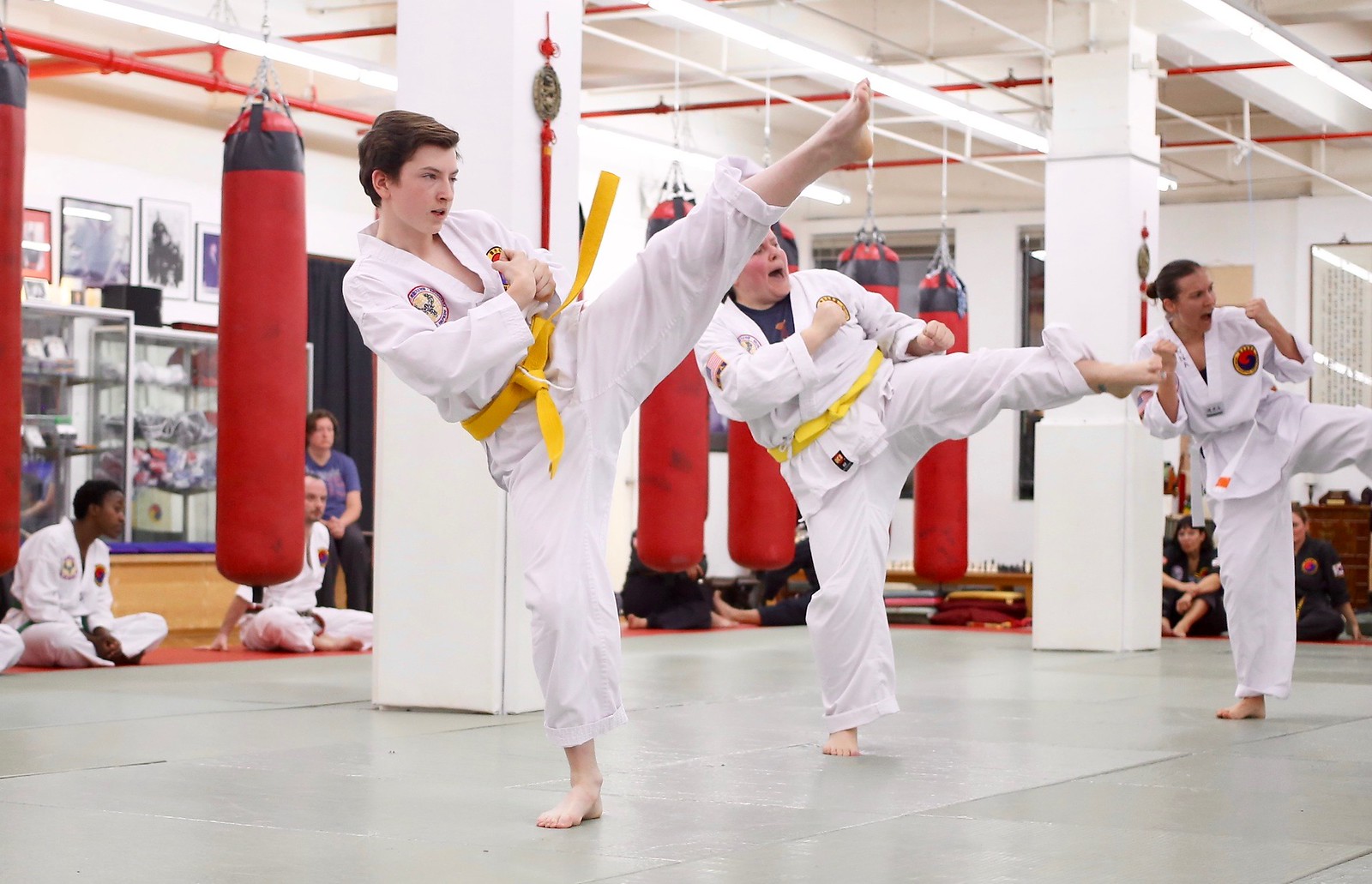
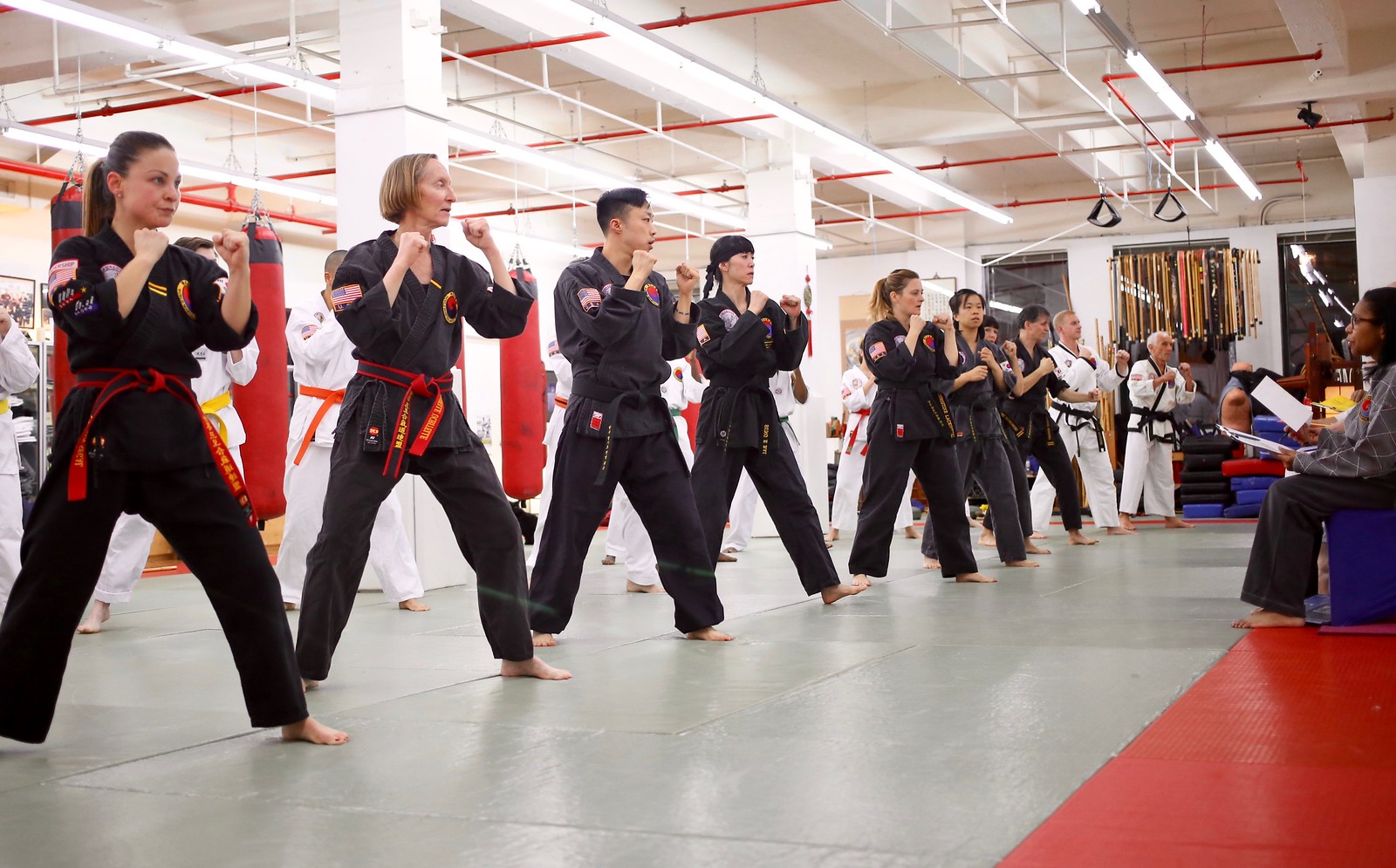
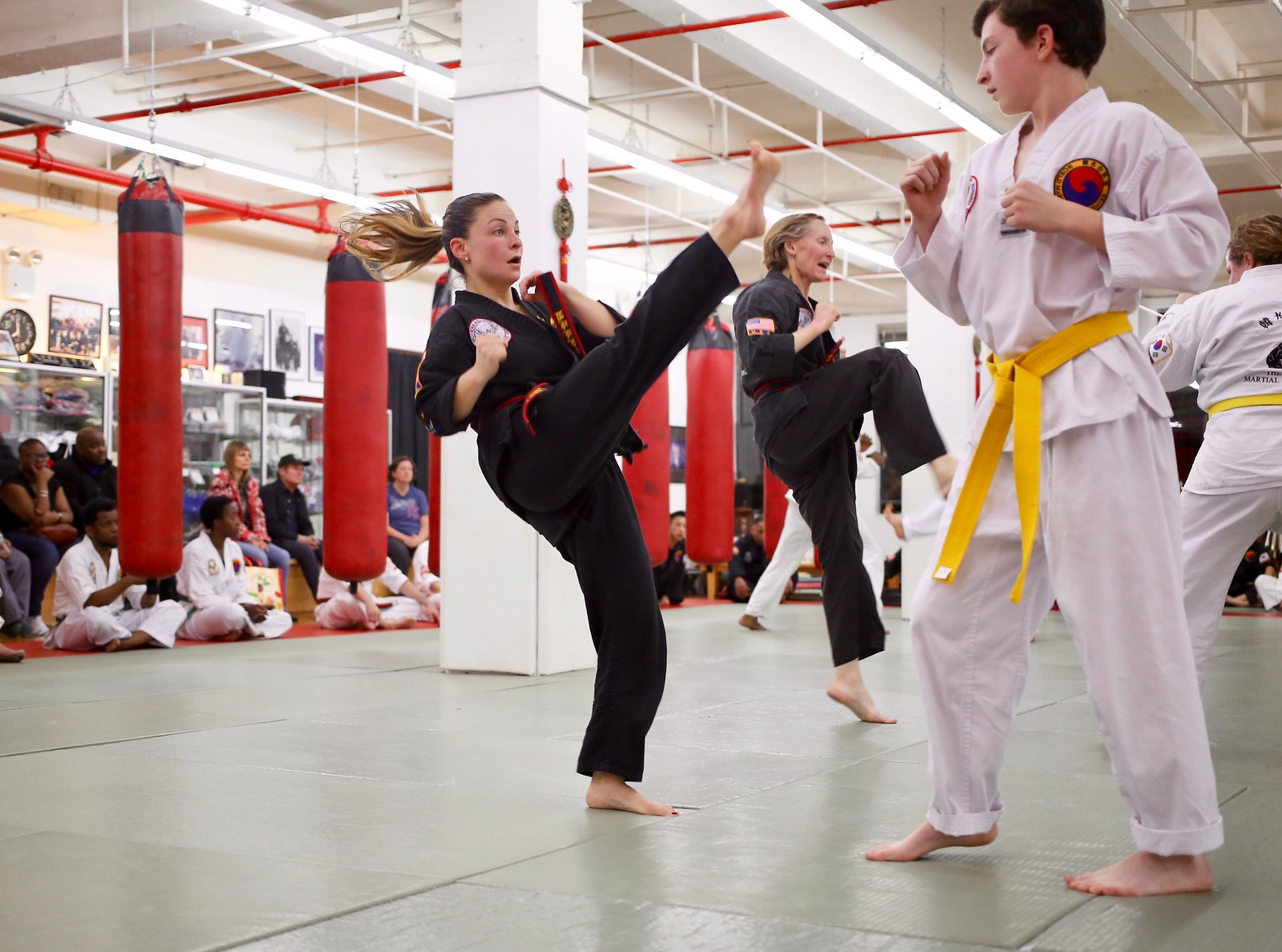
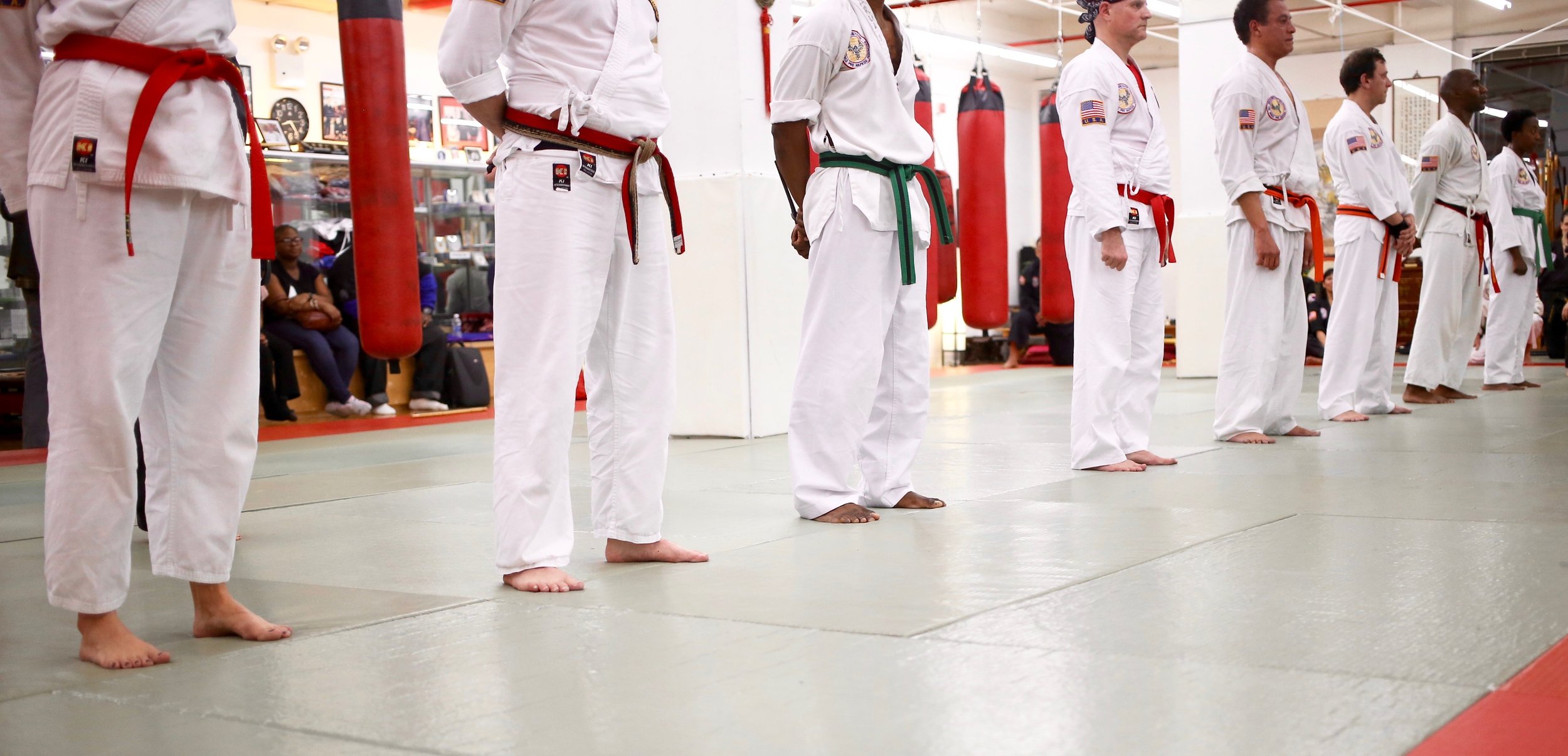
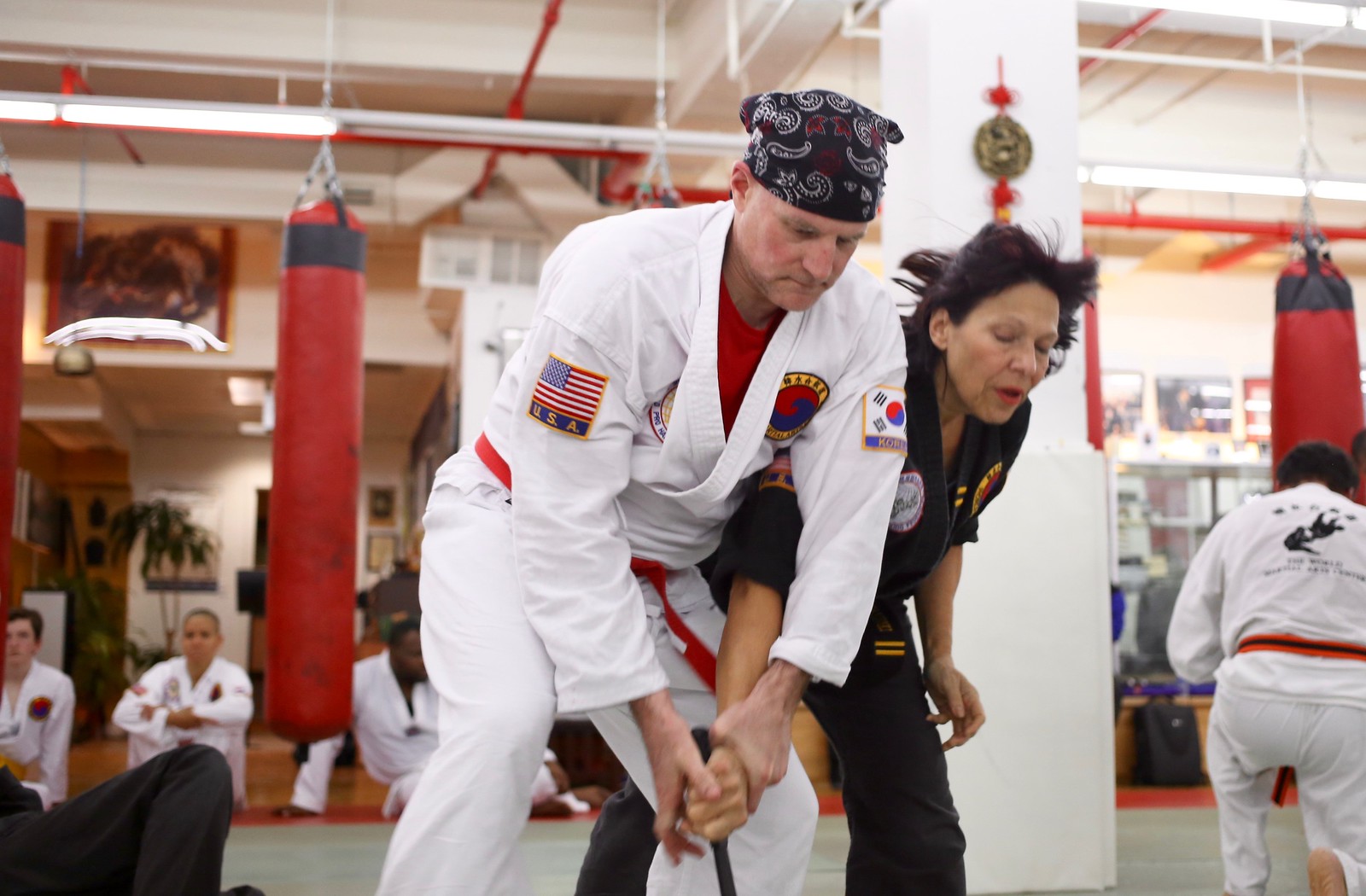
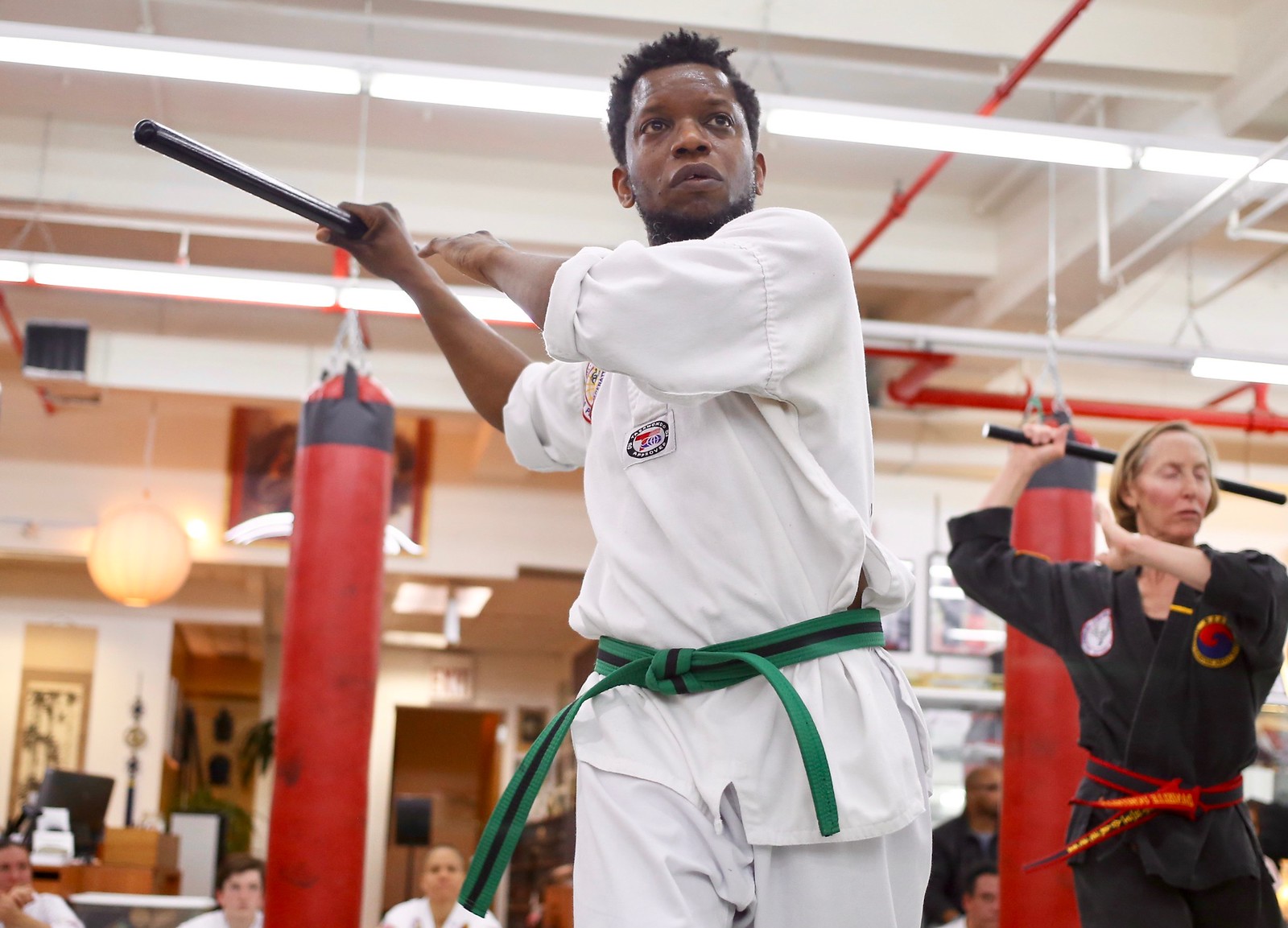
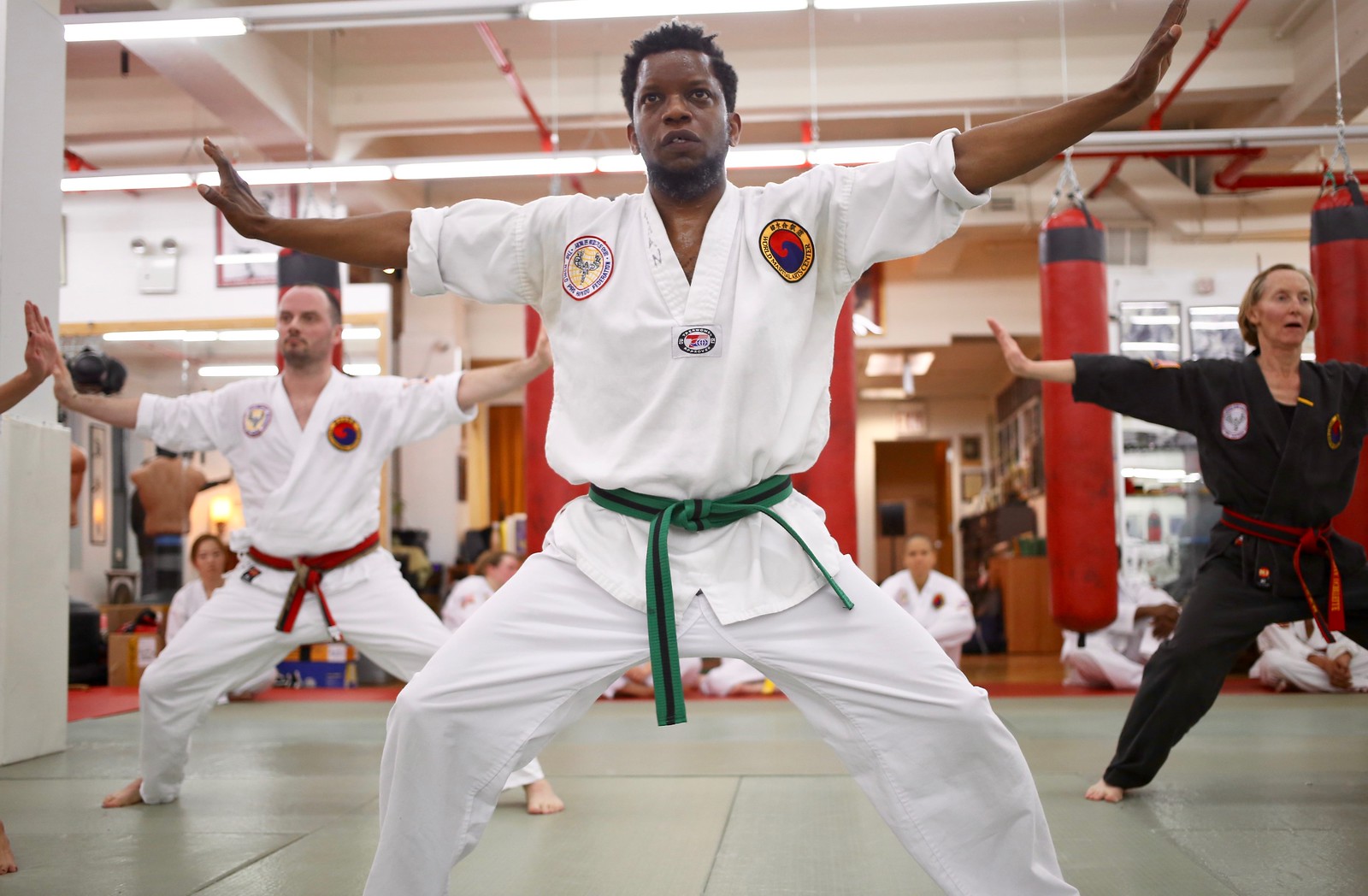
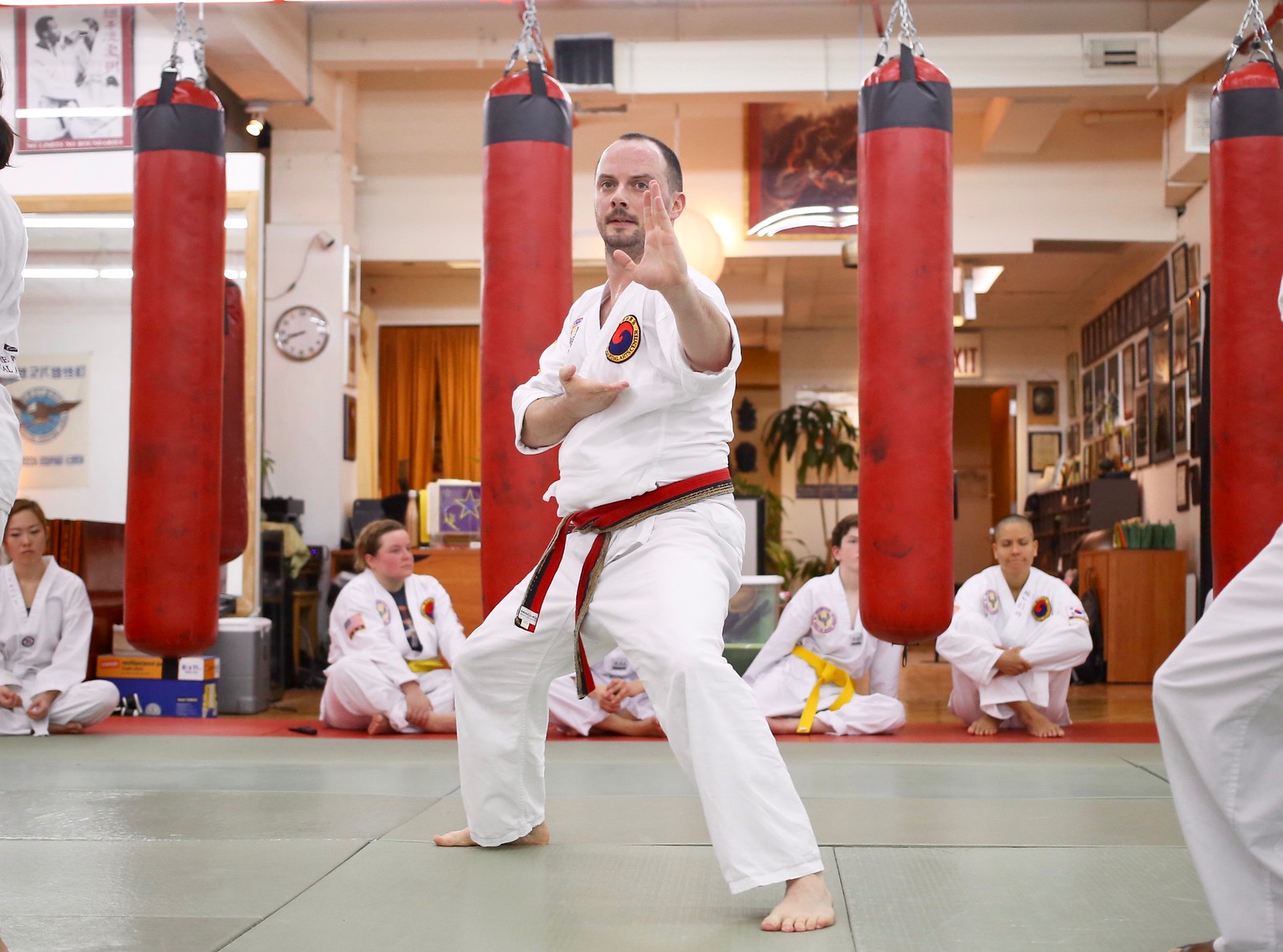
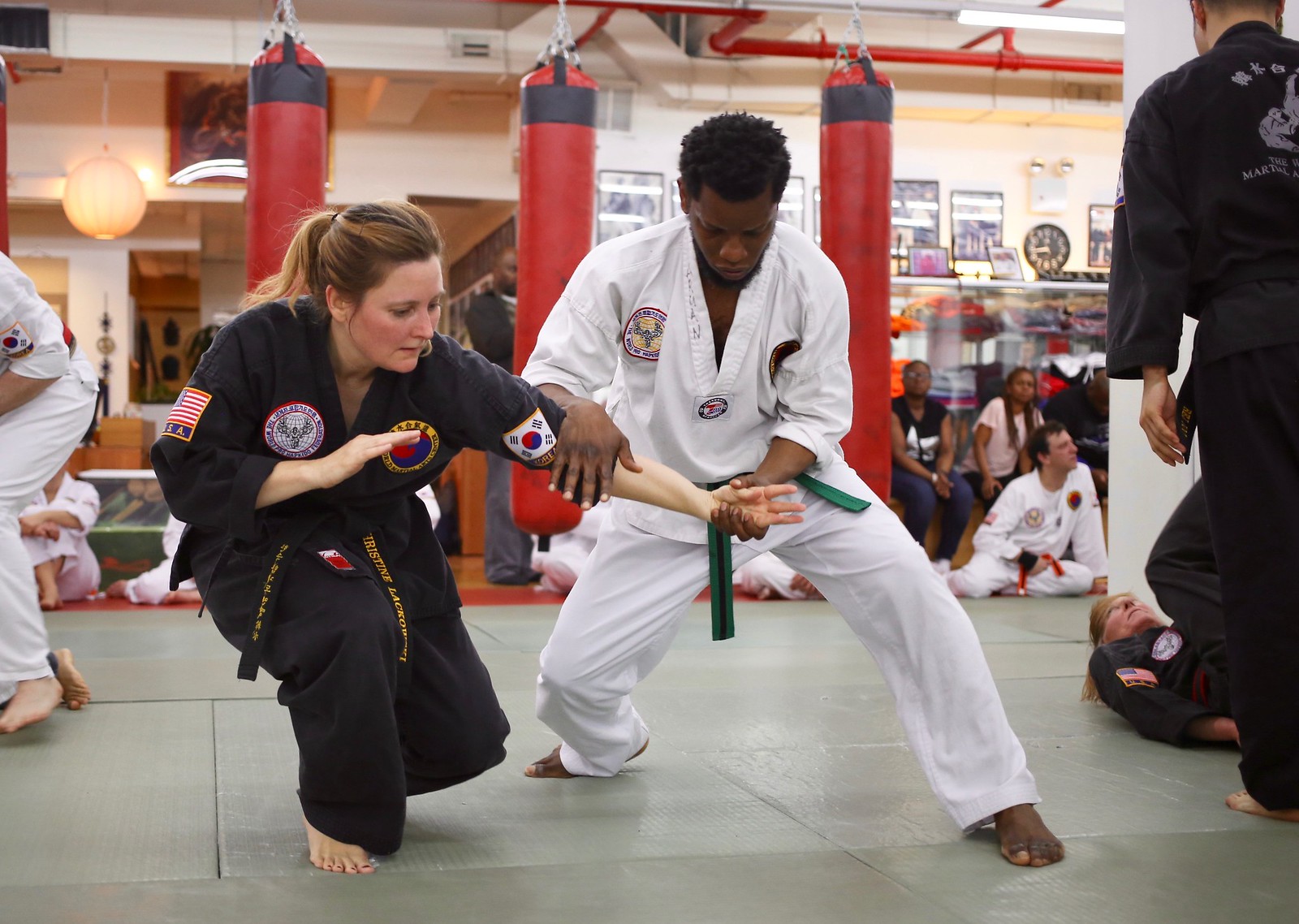
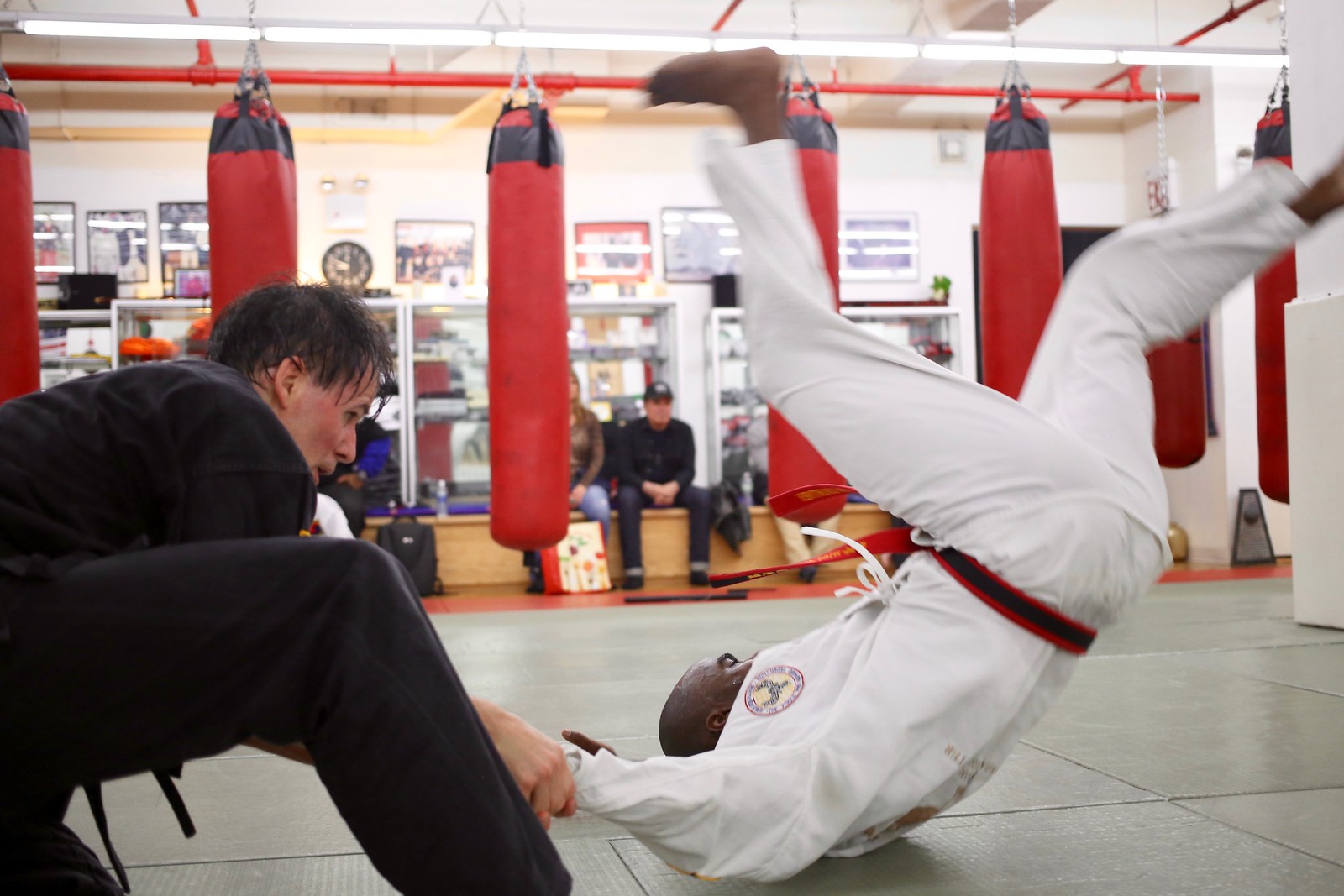
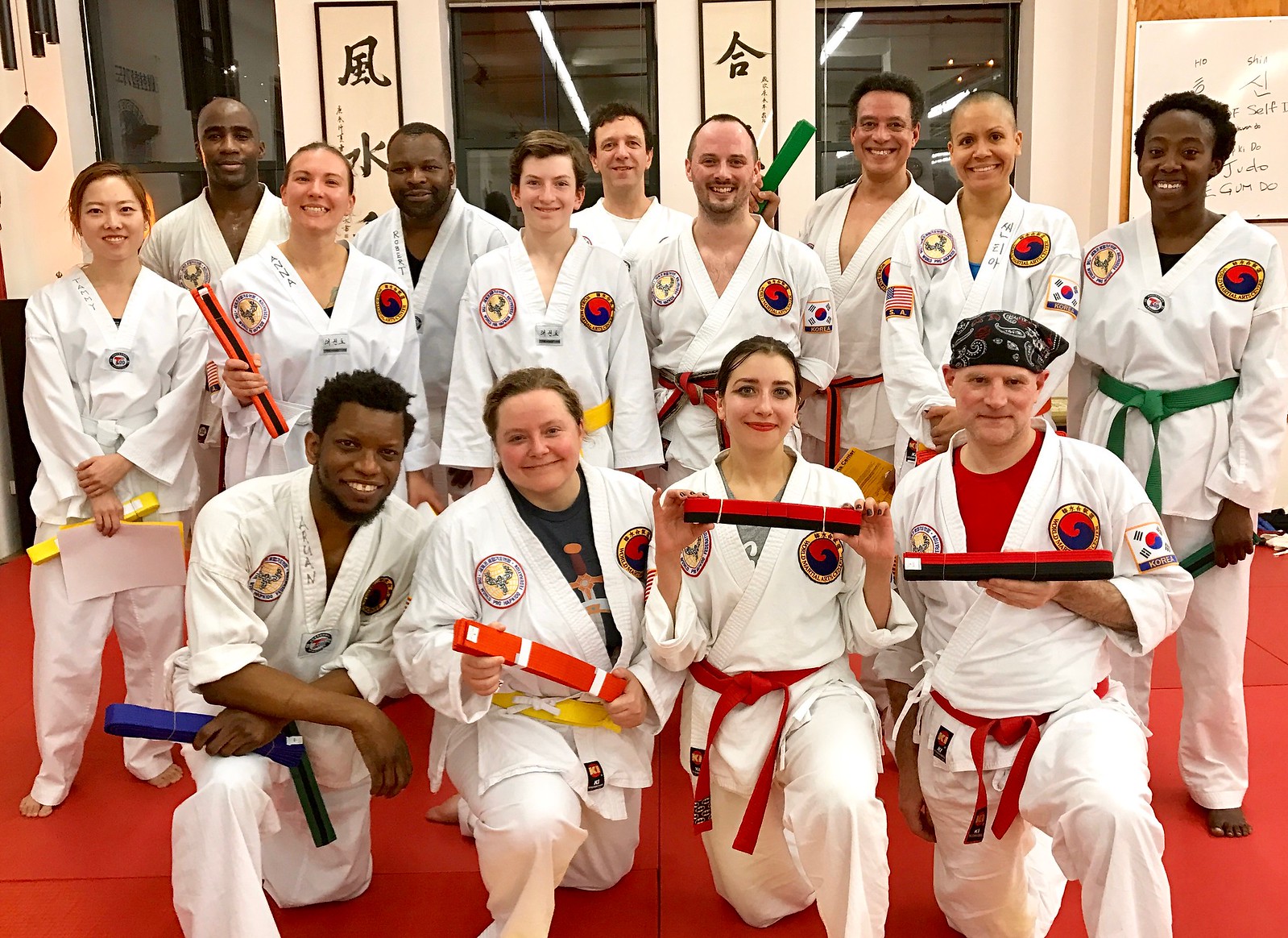
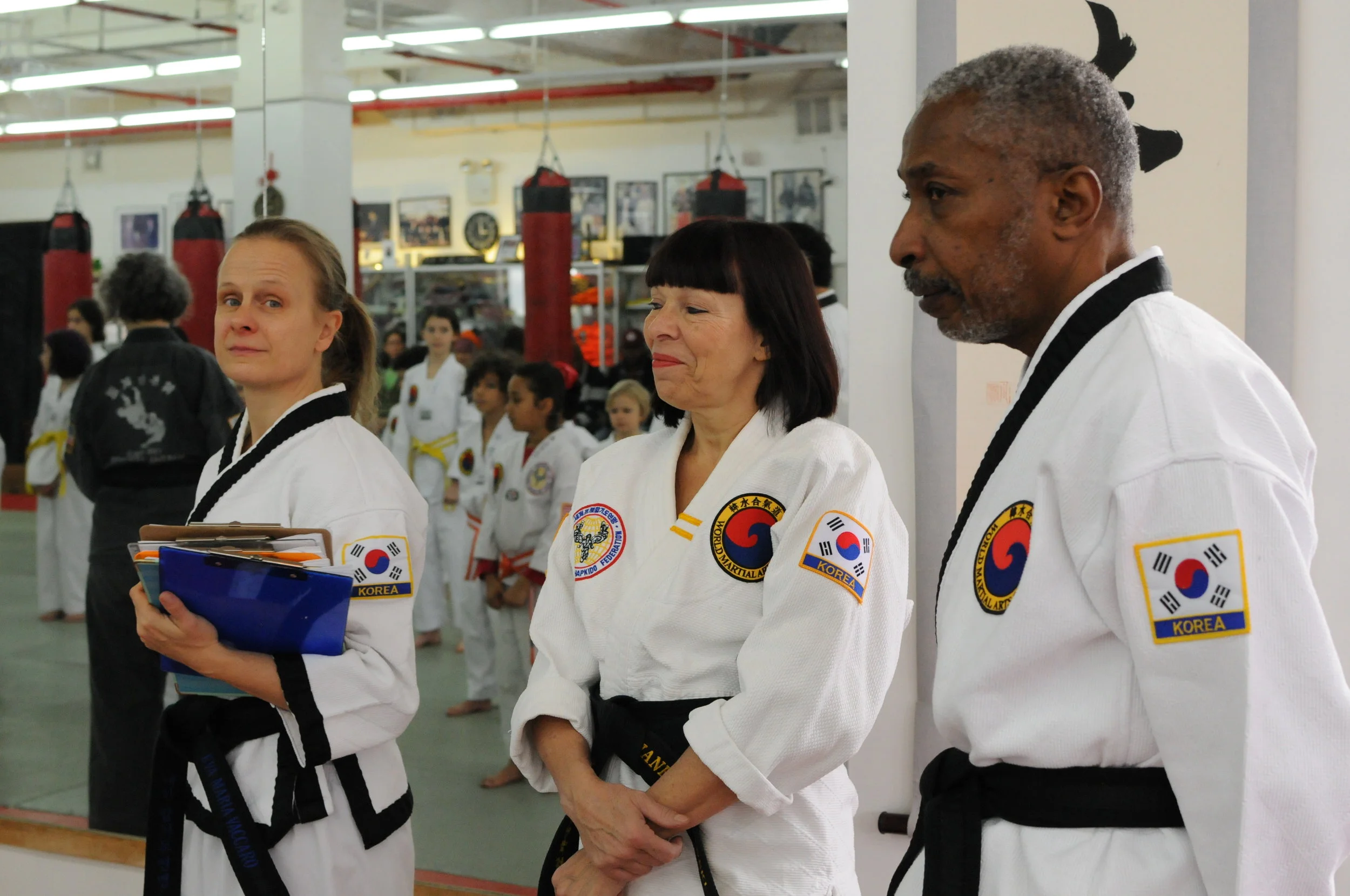
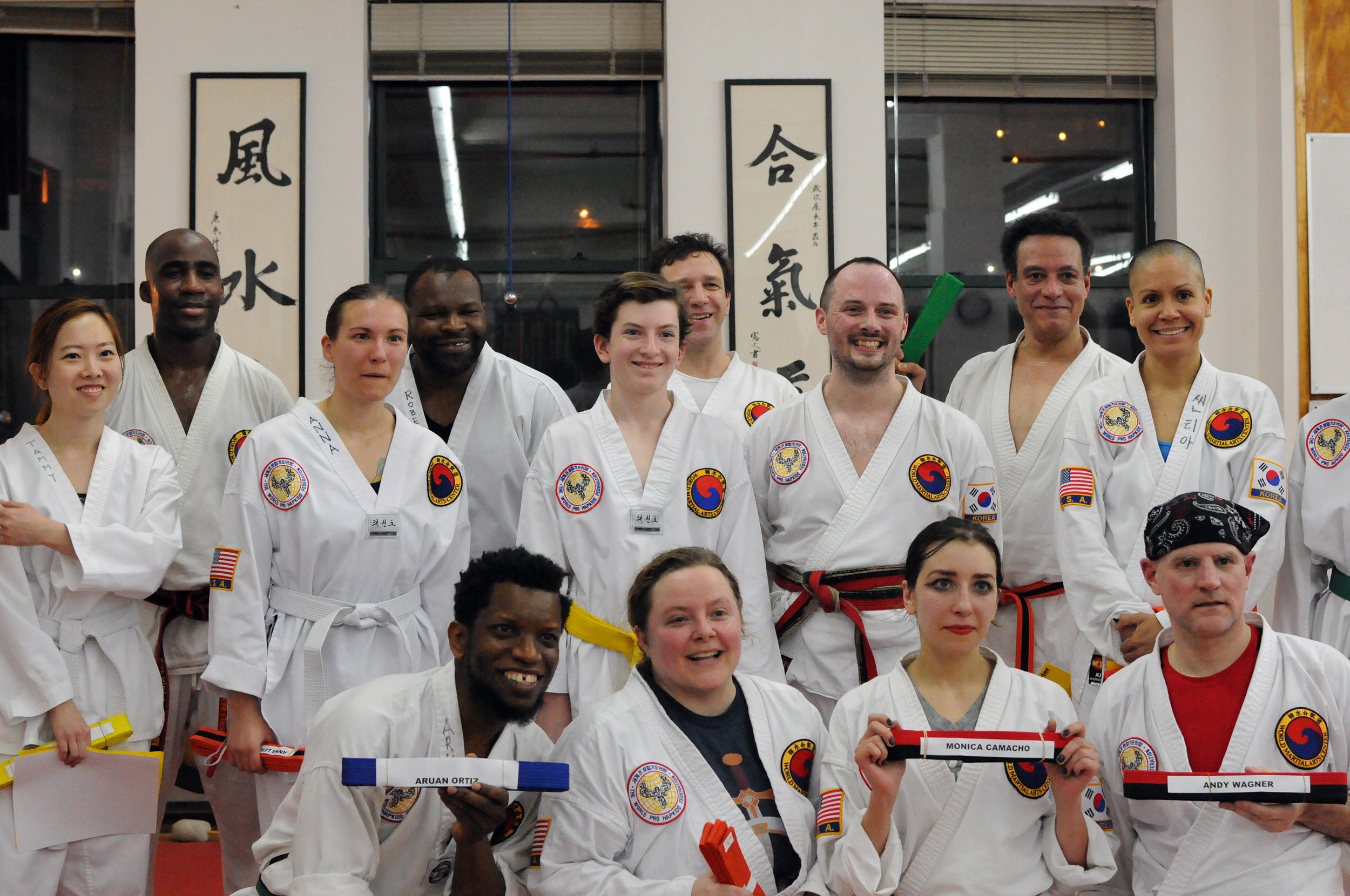
In the March belt tests on Friday morning and evening we showed the results of our hard work in a rigorous (but fun) promotion test, and on the following morning the WMAC children brought their “big selves,” demonstrating their expertise to the senior Black Belts in the children’s promotion test. Congratulations to the all those who successfully completed the test and received their new belts, and thanks to the senior Black Belts, Kyosanims, Chungsanims, and Sabumnim for supervising the tests. As Sabumnim told us on Friday evening, “It’s easier to keep improving once you have momentum, so keep moving forward and don’t stop training.”
From Bodan Danielle Uchitelle
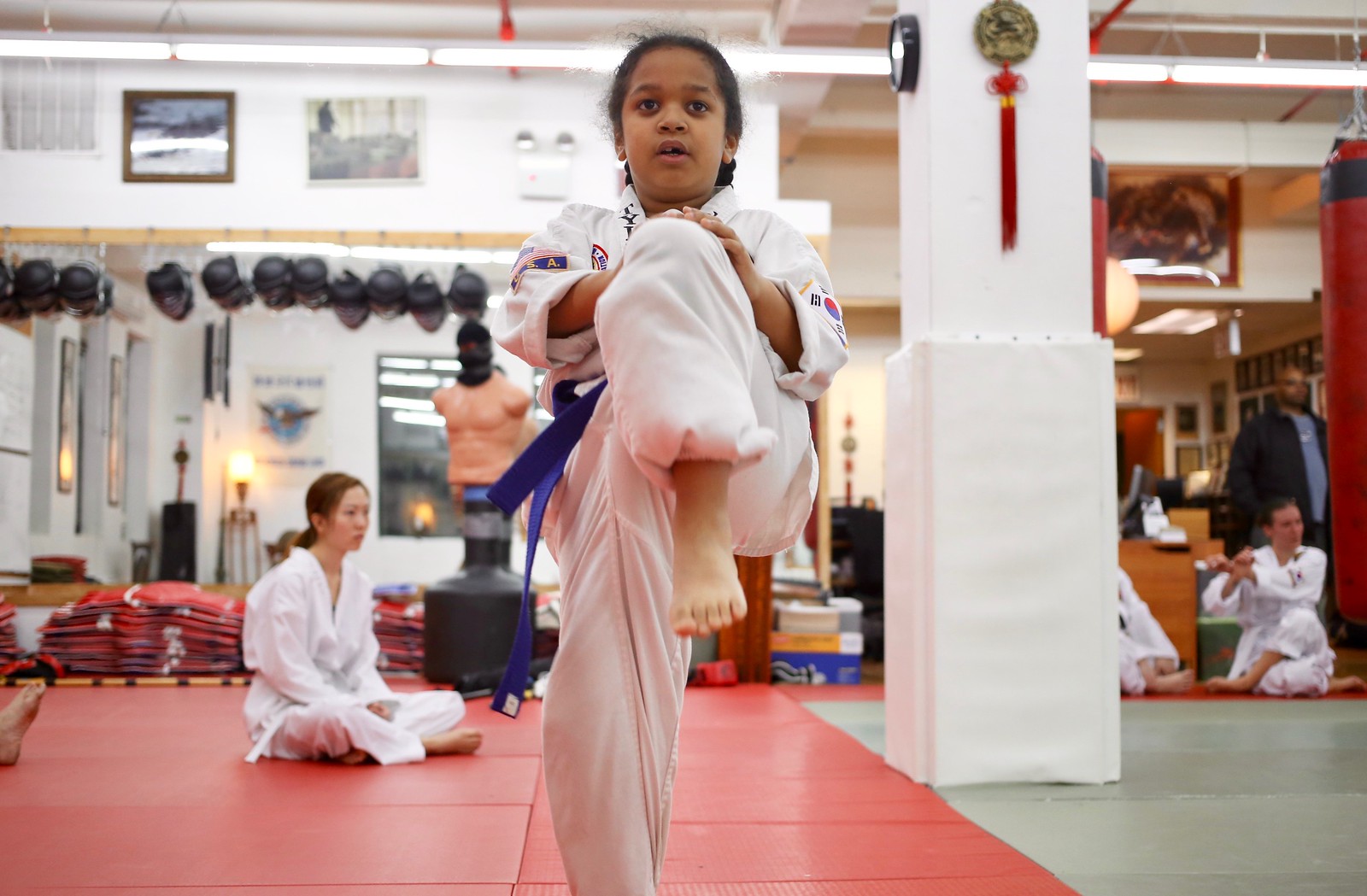
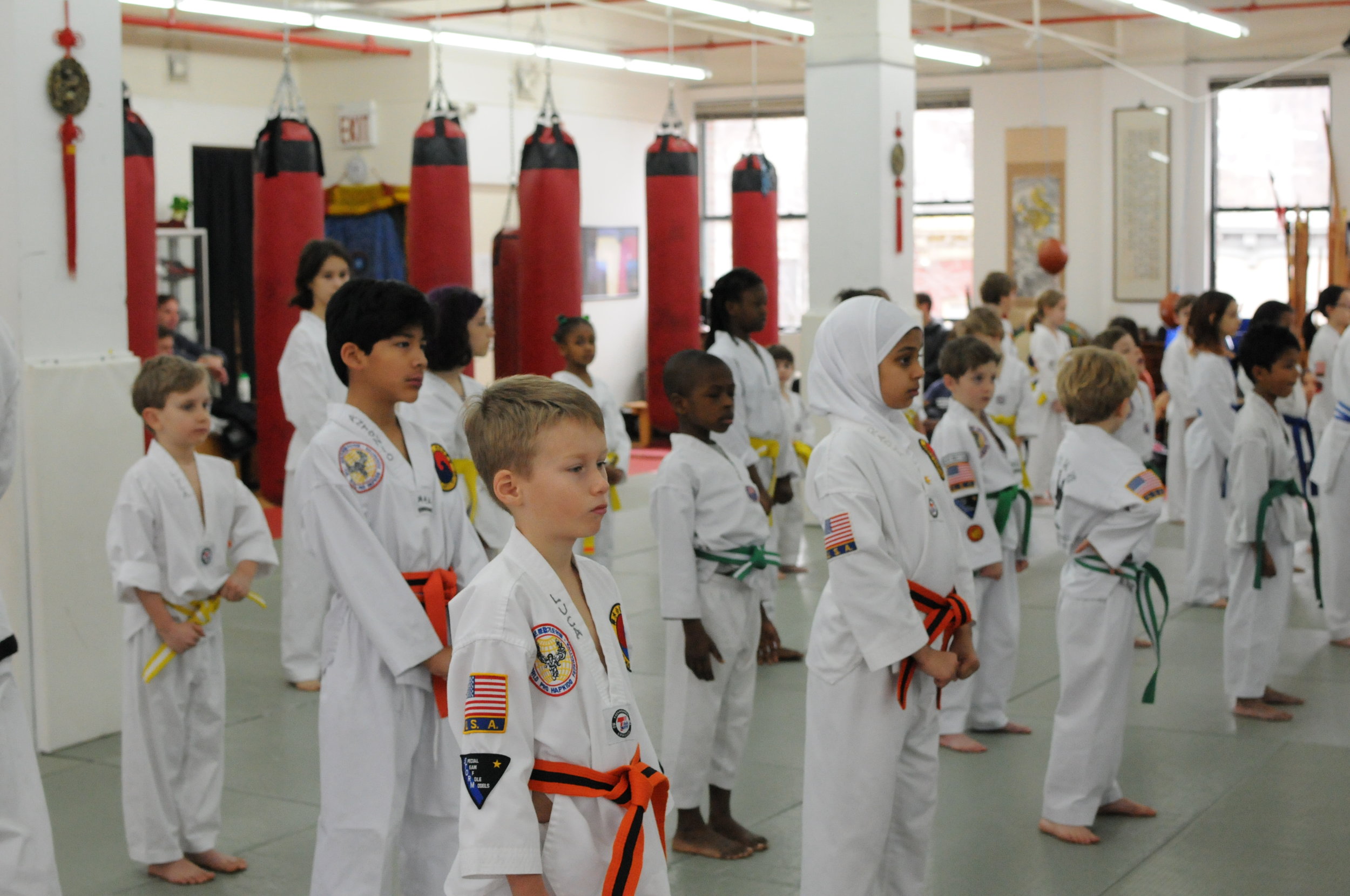
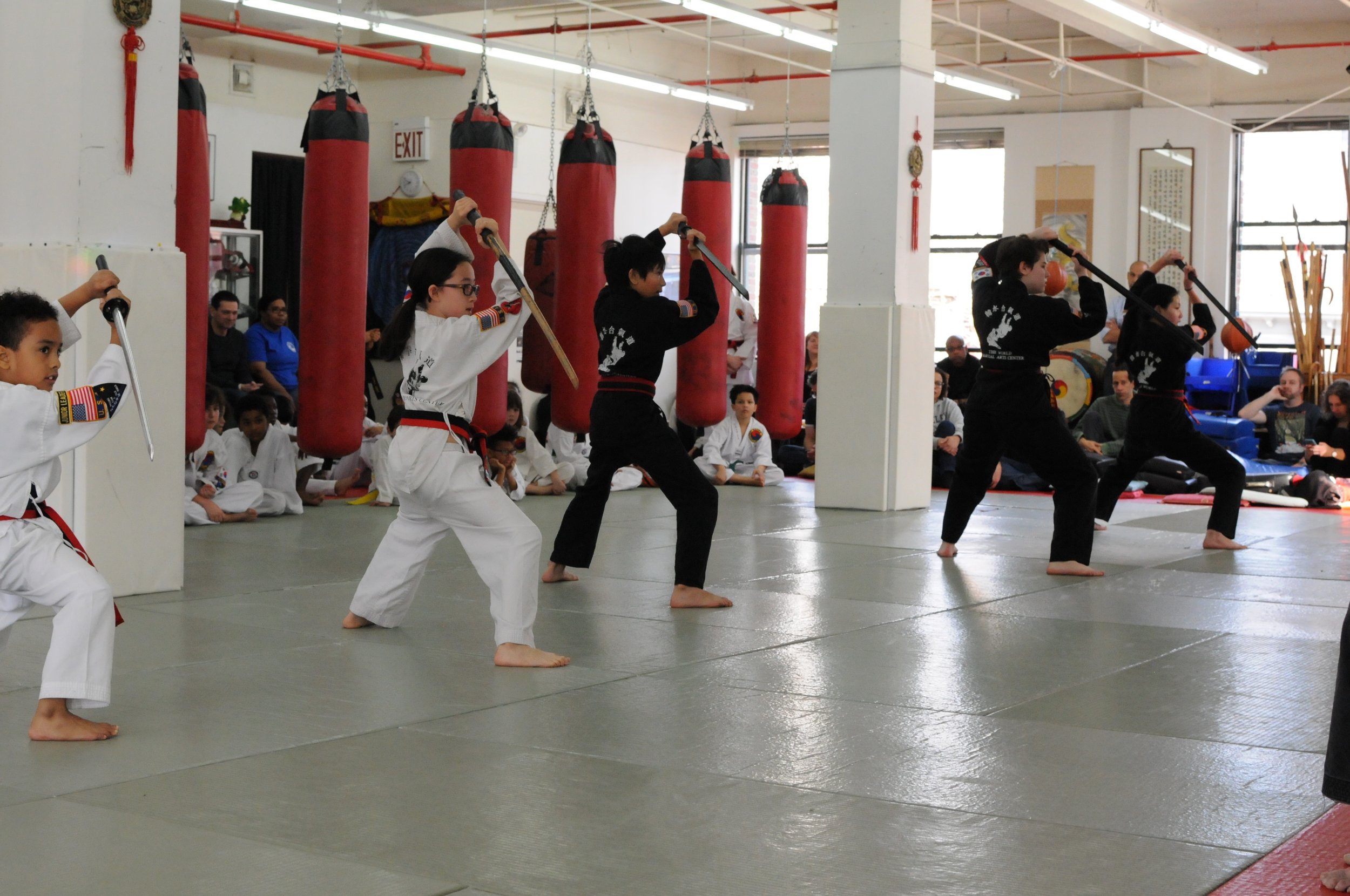
I have a deep respect for all the kids in our children’s program, but there’s one bunch I hold in special esteem: the children who come to our Sunday morning class. While other kids are still at home in their pajamas, these young warriors are training in the martial way at the 11:00AM class.
A special “Mudo, Yes I Can” to our dedicated Sunday team of kids, and to their parents who bring them to class each week.

February is WMAC's month for school wide testing. If you were unable to make the February test, you must test in March. As always, the tests are three separate events: Friday morning testing for early rising warriors followed by the room-filling, high energy evening test, and the children’s test on Saturday morning.
Congratulations to all who participated, and to everyone whose hard work and training was rewarded with a new belt. For those who could not be in the February school-wide test, set your training goals now, and let it all shine at the March test.

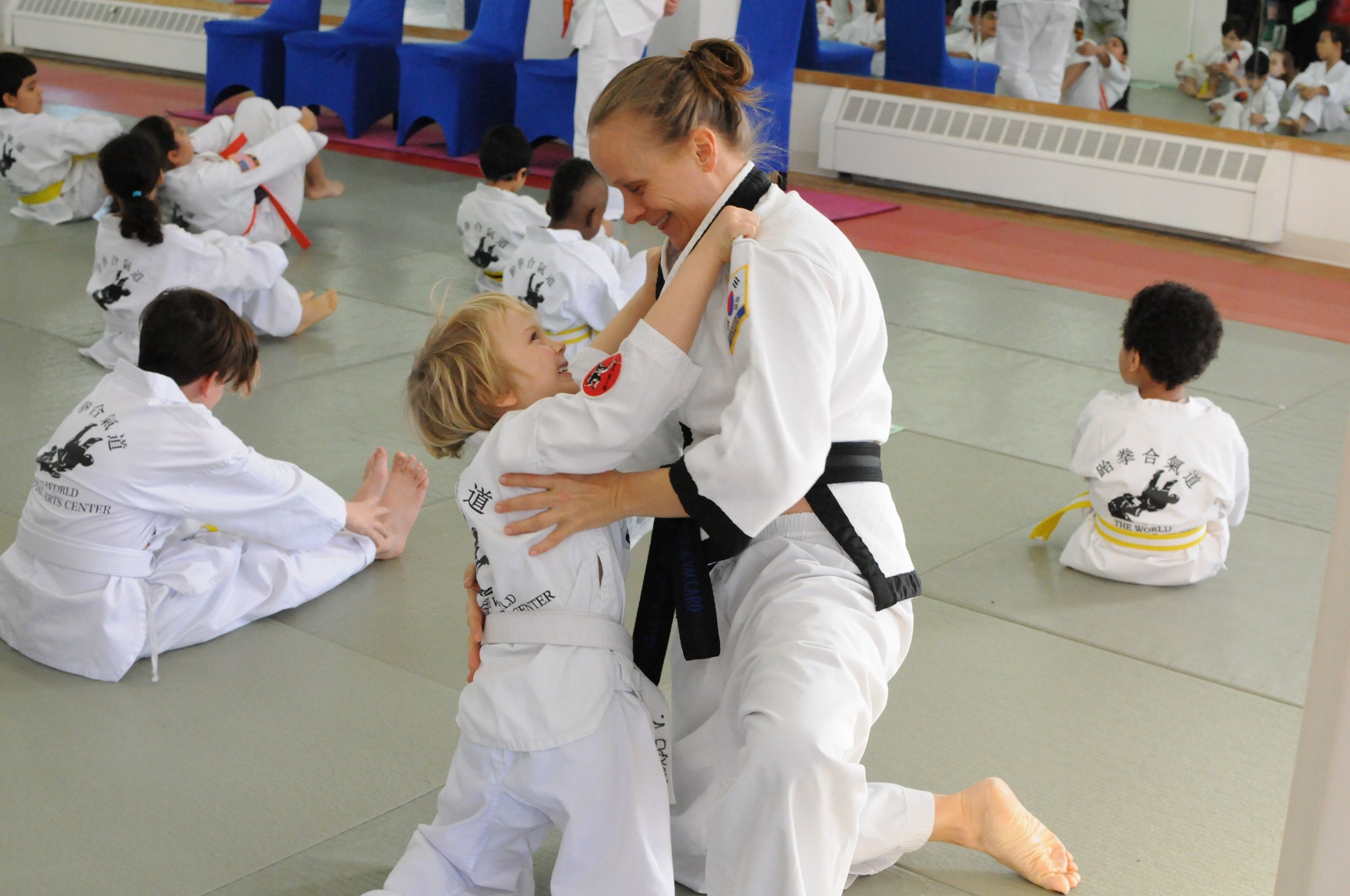

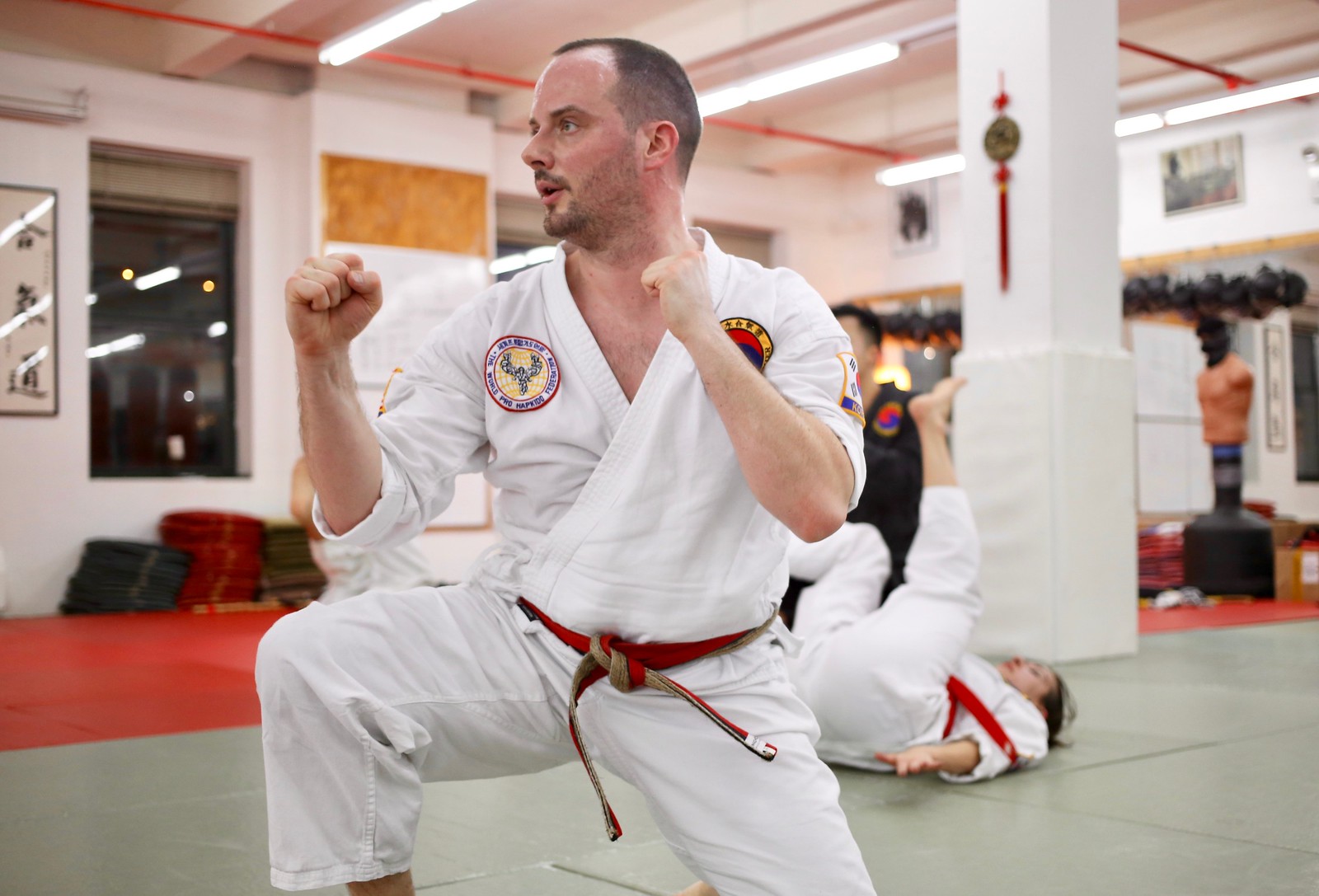
January is always white belt month at World Martial Arts Center, when we return to the basics. We wear our white uniforms and focus on the martial arts fundamentals for an entire month. It’s always my favorite training month of the year.
Each year’s white belt month seems to have its own unique theme. This year we delved deeply into a seemingly simple hand technique to discover its complexity and subtlety, and we took a high-energy form and learned how to break it down into its simple components.

But in addition to the month-long themes within white belt month, what I look forward to most is my personal white belt challenge. I learned this approach a few years ago from one of the WMAC senior instructors. Each day during January I would see him practicing rolls and falls on the mat. I thought his mat work was already pretty amazing, and one day I asked him about what he was practicing. He told me that every January he chose one things that he wanted to improve in his own personal practice, and that year it was mat work on his left side; he’s right-handed, and like most of us can perform rolls much more easily on one side than the other.
From this I began to think about my own white belt challenges, and I keep a list of things I want to focus on during January. This year, I decided that my personal challenge would be to take at least one thing I learned in each class and write it down in a notebook after class. I figured that if I walked off the mat after an hour-long class and couldn’t recall at least one important correction, insight, or new material, I should be paying closer attention.
How did I do this year in my personal white belt challenge? Not perfectly, but pretty well nonetheless; reviewing my notebook, there are entries for almost every class I took. And while even I have trouble reading my own handwriting, the act of stopping to contemplate and record one takeaway from each class has been a valuable exercise and one that I plan to bring into the other 11 months of the year.
What would you chose for your own white belt challenge? You don’t even need to wait until next January to start.
Saturday morning class stalwarts arrived at the dojang this morning to find themselves unexpectedly locked out in the frigid January air. It seems that the building management replaced the front door lock on Friday, and the keys we were provided didn’t work. Fortunately, Sabumnim was there to turn a morning lockout into a master class in how to defend effectively on a hard and sloping sidewalk.
Let’s face it: when we’re called upon to use our techniques of self-defense, are we really likely to be in a room full of mats, wearing comfortable clothing and bare feet? Much more probable that we’ll find ourselves in street clothes, wearing shoes, and faced with negotiating a hard and uneven concrete surface.
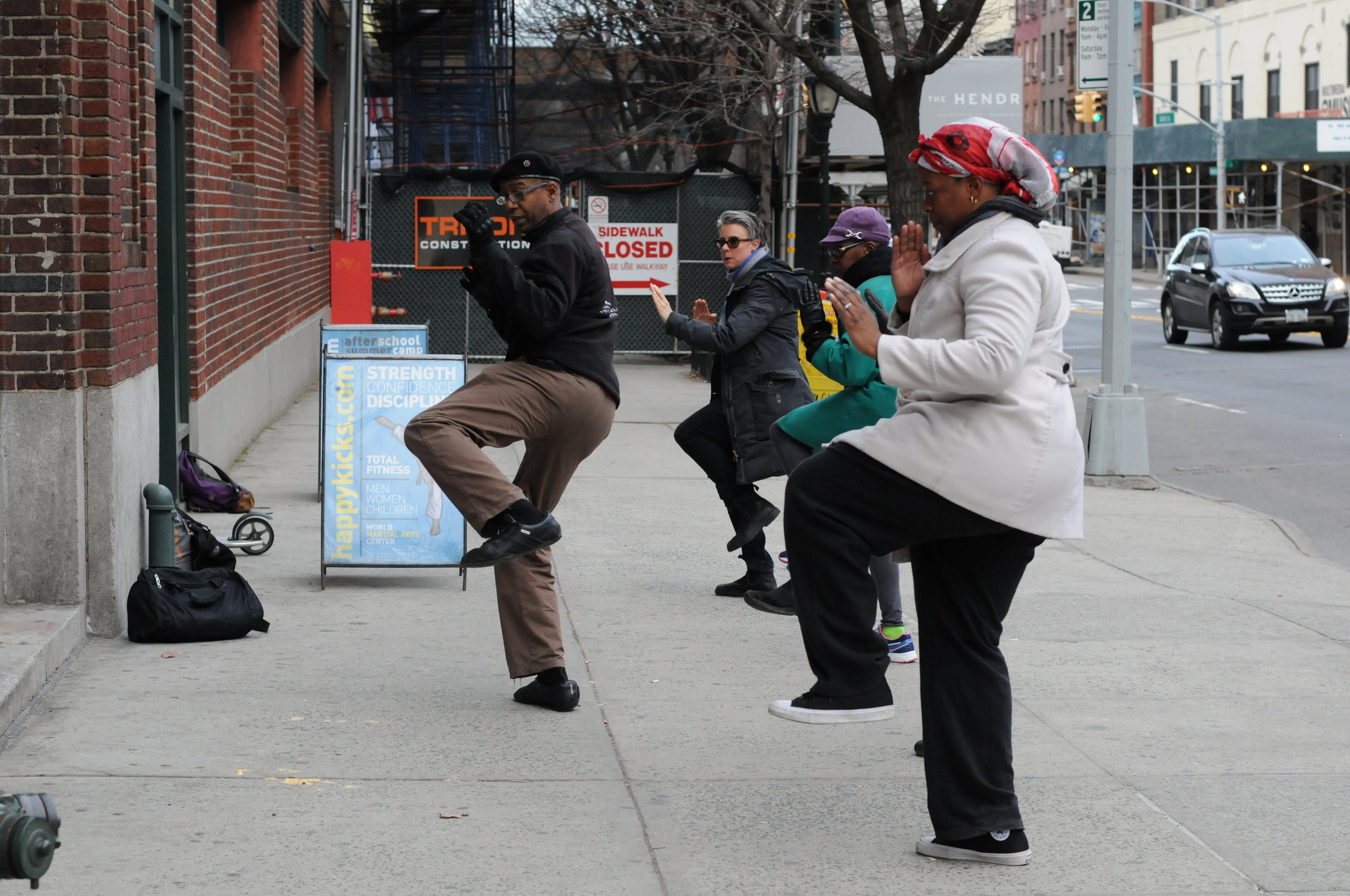
As we gradually warmed up on the sidewalk of Atlantic Avenue, Sabumnim showed us how to practice moving and kicking on an uneven, sloping sidewalk. He showed us how to connect plum blossom hand strikes with diagonal movement and downward-directed kicks to an attacker’s lower leg.

When Darren, our reliable front desk attendant, finally arrived with the key, we’d completed almost an hour of impromptu class in street defense on the hard concrete of Atlantic Avenue. And even though it was an amazing class, I was happy to get inside and defrost my toes.
Here’s how to participate in a block party demo.
Wear your uniform but bring a bathing suit or something you can get wet in. Wear sneakers.
Be ready for anything and be flexible. You may need to do a form you didn’t expect, or stand in for someone who couldn’t make it. Demos are fast, so pay attention to whoever is calling the forms and stay on your toes. Don’t worry about messing up, the audience doesn’t know.
Be prepared to deal with the blacktop. Even if you are not falling or rolling, moving on a road is different than a mat.
Mix it up with the locals and have fun!

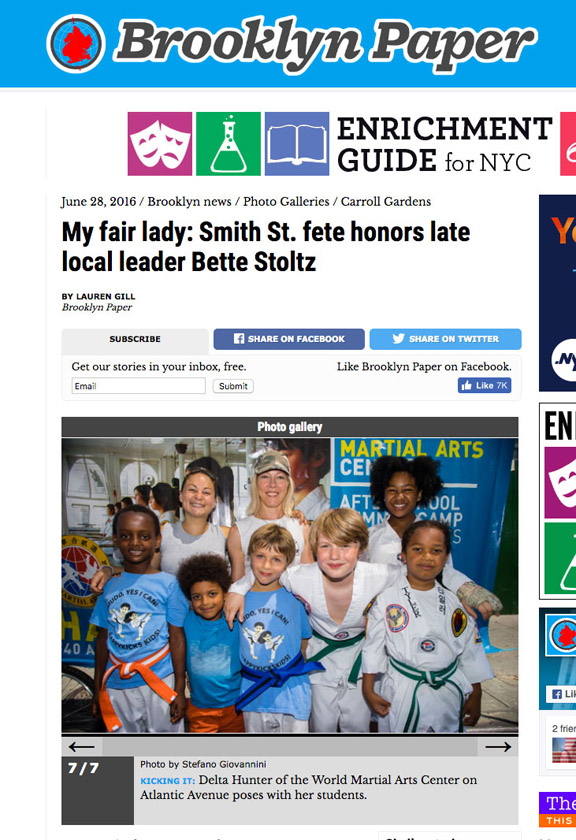
Smith Street Fair 2016 and we made it into the Brooklyn News!
Sabumnim is introducing something new for 2016 called HapKiDo Clinics. Each month he will offer a series of classes that focus on curriculum training. There's no better way to learn these techniques either for the first time or to "repair" incorrect methods. You must pre-register for these clinics, which you can easily do by purchasing online under "events" or at the front desk. Happy 2016 WMAC! It's going to be a great training year.
Here's a peek at January's HapKiDo Clinics!
Cross Hands 1-8 Tuesday 19th 7:15 – 8:15
Cross Hands 8-12 Thursday 21st 7:15 – 8:15
Front Kick Tuesday 26th 6:15 – 7:15
Side Kick Thursday 28th 6:15 - 7:15


In January, all WMAC students return to the beginning, and become white belts. This is a perfect time to read or review the chapter in the Beginner's Handbook titled The Meaning Of The HapKiDo WhiteBelt.
Here is the first paragraph in the chapter:
The white belt symbolizes emptiness, openness, clarity, potential and purity. In ancient times, The Master, and or temple, would only accept you as a student or disciple if you had most of these qualities. Today we give most people the opportunity to strive and possess them through the beginner's training. To be a great white belt, you must be like an empty cup. You must possess a pure spirit - just as a spirit devoid of a physical form or as a newborn without judgment or a belief system. Anything else could be an obstacle for the teachings you are about to receive. If you come with your cup half full, the other half that you will receive will not be what the Master intended. This is because the second half would be polluted by what was already there. A cup that is full may have some value depending on what it is full of. A cup is only useful when it is clean and empty. This is ideal for the beginner's mind.